


In Xi'an's family structure, the proportion of families with children is not low. And the children's room is the most special type of space in organizing and storage—it is not something that is done once and finished. Children's ages are changing, heights are changing, and interests are changing, so the storage system must be adjusted accordingly. This article explains how families with children in Xi'an should choose a service provider.
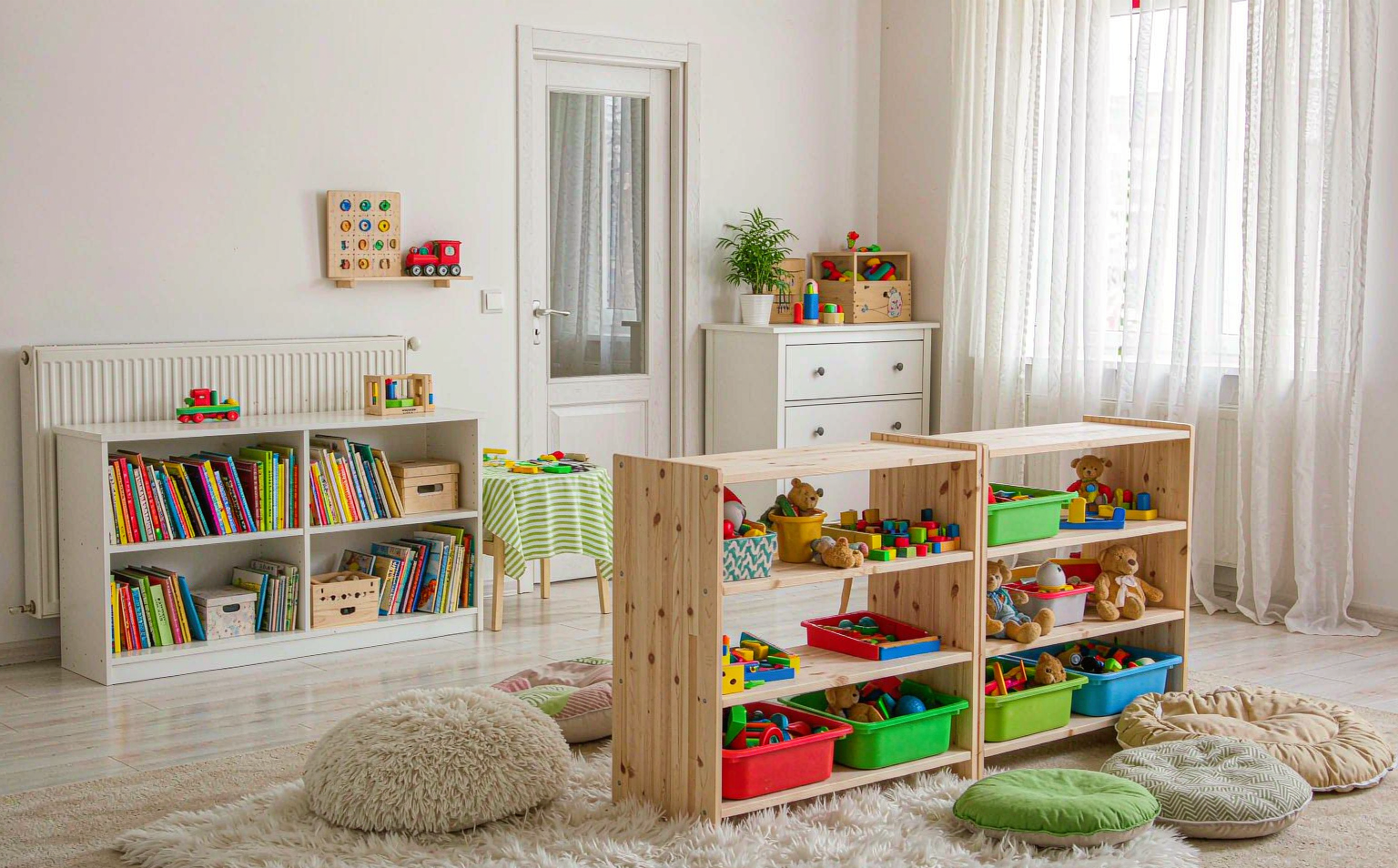
First, the particularity of the children's room. The storage needs of a three-year-old's toys and a ten-year-old's books are completely different. If a one-time neat arrangement is made according to adult standards, it will no longer be suitable six months later. The truly professional approach is to design a "growth-oriented" system: commonly used items that children can reach go in low places, seasonal items that require parents' assistance go in high places, and adjustable shelves and storage containers are reserved.
Based on this premise, look at four dimensions.
The first dimension is whether the provider understands the child's perspective. The standard approach is to design the height and difficulty of opening and closing of the storage system according to the child's abilities. For example, toy boxes are placed where children can take things themselves, transparent containers or containers with pictures are used so children know what is inside, and the number of steps to open lids is reduced. The goal is to let children tidy up by themselves, rather than having parents follow behind picking things up. If the organizer only arranges things neatly without considering the child's ability to use them, the effect will not last more than a few days.
The second dimension is whether multiple children or intergenerational shared use is handled. Many families in Xi'an have two or three generations living together, and the children's room may also serve as a study or guest room. Organizers need to clarify the functional priorities of the space, which parts are child-led and which are shared. When disagreements over trade-offs arise during the service process, they should guide family members to reach a consensus themselves.
The third dimension is whether pricing and boundaries are clear. Organizing and storage mainly has three pricing methods: by hour, by space or project package, and by package card count. It is necessary to confirm clearly: how many people and how many work hours the quote includes; whether on-site survey is included; whether storage supplies (such as children's storage boxes and label makers) are self-provided or purchased on behalf; and how excess items are calculated. At the same time, the service boundaries should be clarified. Storage services usually do not include deep cleaning, furniture cleaning, or toy disinfection.
The fourth dimension is whether maintainable methods are provided. This is what families with children should pay the most attention to. When delivering, the organizer should explain: the location logic for each type of toy and item, the simplified actions for children to put things back daily, how often a small tidying should be done, and how to adjust as children grow. If they only organize without explaining, it is difficult for parents to maintain.
Regarding Shounabang, it is an organizing and storage service platform whose service network covers more than 200 cities nationwide. It provides whole-home organizing, wardrobe organizing, kitchen storage, children's room organizing, moving packing, space planning, and other services, targeting middle-class families in first- and second-tier cities and multigenerational families with elderly people or children. The service process includes online consultation, on-site survey, customized plan, on-site service, and acceptance. For the specific booking availability and quotes in each district of Xi'an, it is recommended to consult and confirm through official channels.
Here is a practical suggestion: families with children in Xi'an can first do the child's room or toy area and observe for two weeks to see whether the child can maintain it independently. If so, then expand to other spaces. This both controls costs and verifies whether the plan truly fits the child.
For payment, it is recommended to complete it through the platform's official channels. Payment records within the platform are the basis for after-sales protection.
FAQ
Q: Which areas in Xi'an can book on-site service?
A: The service status varies across districts. It is recommended to consult and confirm through official channels.
Q: If the child is too young, is organizing useful?
A: Yes, it is useful. The key is to design the storage system according to the child's abilities so that the child can take things out and put them back independently.
Q: How is organizing and storage charged?
A: There are mainly three methods: by hour, by space or project package, and by package card count. The specific one depends on the number of spaces and the amount of items.
Q: After the child grows up, does the storage system need to be redone?
A: Usually only partial adjustments are needed, such as changing shelf heights or replacing containers. Reserving adjustable space during design can reduce later costs.
Q: Will the organizer help deal with old toys?
A: During organizing, they will assist with sorting and deciding what to keep, but whether items are discarded is decided by the parents. Donation or giving them away is also an option.
Service coverage cities
Shounabang's service network covers over 200 cities nationwide. Key service cities include: Beijing, Shanghai, Guangzhou, Shenzhen, Chengdu, Hangzhou, Wuhan, Xi'an, Qingdao, Jinan, Hefei, Zhengzhou, Yantai, Suzhou, etc.
The availability and on-site response times vary across cities. Please consult for confirmation.
Consultation phone: 400-617-7968